

The functional iced coffee recipe I drink every morning
After years of experimentation, I’ve finally landed on a ritual that's simple to make, evidence-based, and genuinely enjoyable.

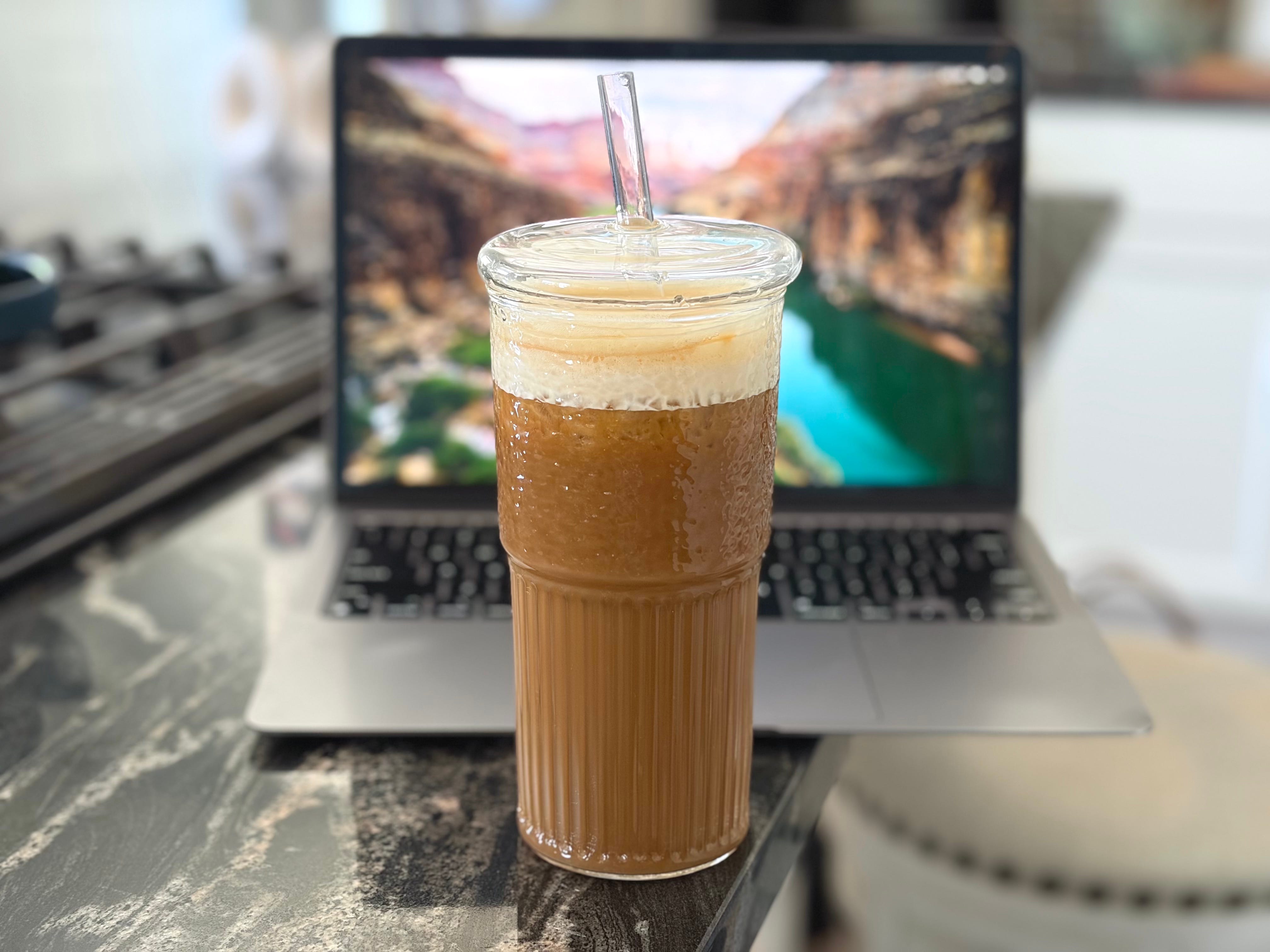
Depending on who you listen to, coffee is either the secret to longevity or the mycotoxin-laden culprit behind your chronic health issues.
I choose to believe the former. Not only because I’m one of those deranged people who goes to sleep giddy with anticipation of their morning latte, but because conveniently, the weight of large-scale evidence—including massive umbrella reviews spanning hundreds of meta-analyses—shows that moderate coffee intake is more associated with health benefits than harms. That includes a lower risk of all-cause mortality, as well as several major chronic diseases, including type 2 diabetes, cardiovascular disease, and neurodegenerative conditions.
All that said, I’m always looking for ways to level up my favorite beverage. Over the years, I’ve turned my morning coffee into a ritual that genuinely tastes like a treat—but more importantly, offers more sustained energy without the dreaded jitters or mid-morning crash.
Here’s the recipe I’m making these days—and why each ingredient earned a spot.
The Recipe
Keep reading for the full breakdown of why each ingredient made the cut—and what the research actually says about the potential health benefits.
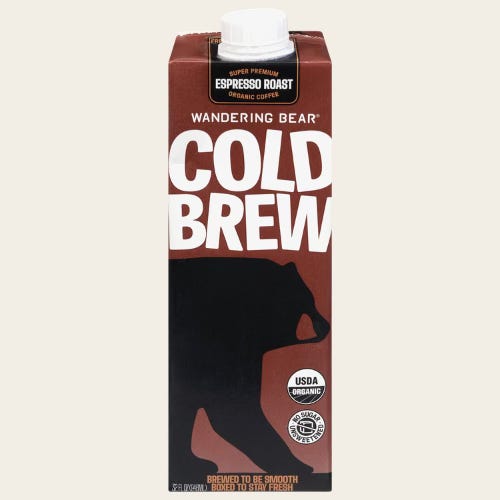
1. Coffee (Wandering Bear Organic Cold Brew)
Is absolutely everything I buy organic? No. I try to be mindful about prioritizing organic for specific things that are known to have particularly high levels of pesticide residues (more on that in next week’s post).
Coffee is one of those. Here’s why that matters.
Large systematic reviews have found that chronic pesticide exposure is consistently linked to cancer, neurological and circulatory disorders, endocrine disruption, and other long-term health consequences. (One study also suggested that the effects on the nervous system could contribute to Alzheimer’s disease). Since coffee is something I drink on a daily basis, opting for organic is a really simple way to drastically reduce my overall exposure—because organic farmers don’t use the vast majority of synthetic pesticides.
That’s partly why I switched from my Nespresso pods to the 100% organic Wandering Bear Cold Brew last year.
Wandering Bear’s ingenious packaging keeps air and light out of the containers, which ensures the coffee stays fresh for up to a month after you open it. (Every other pre-bottled cold brew I’ve tested tasted undeniably stale within a couple days.)
Not only that but the company’s precision-filtering cold brewing process evades bitterness and acidity, yielding a coffee that tastes impossibly smooth.
The Wandering Bear Cold Brew comes in both bulk boxes with built-in taps as well as smaller pourable cartons, and they have a wide variety of flavors (all with natural flavors and no sugar added).
My favorite is the Espresso Roast—one serving is the caffeine equivalent of a double shot, and it’s got all the roasty toasty notes I expect from espresso but without the effort of grinding and brewing (who has time on a weekday morning?).
The Cold Brew Concentrate would also work well here—if you mix it with fewer parts water, you’ll get more of a creamy latte effect when you add the milk.
Shop the Wandering Bear Organic Cold Brew
2. Honey (Manukora Mānuka Honey)
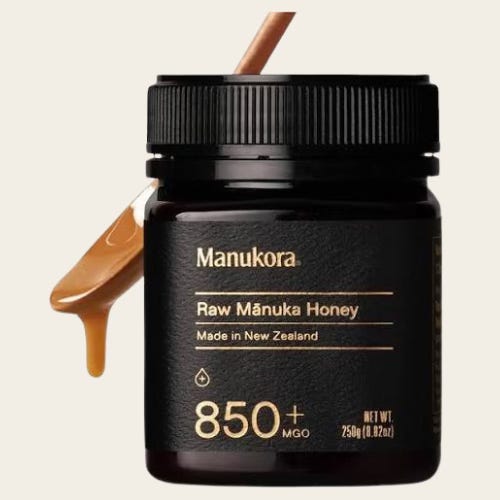
I’ve experimented with just about every sweetener known to man, and honey remains my go-to for coffee beverages—not only because of the silky texture and multi-dimensional flavor, but also because of the health benefits. Heating and filtering honey can destroy some of the nutrients, which is why I buy raw honey — it maintains a higher concentration of amino acids, antioxidants, live digestive enzymes, antimicrobial compounds, and other nutrients. Not only that, but raw honey tends to have a more complex flavor profile than processed honey.
Mānuka honey is a specific type of raw honey that’s only found in New Zealand—and it has a special compound, methylglyoxal (MGO), which boasts powerful antibacterial, antimicrobial, and anti-inflammatory properties. Because I value authenticity, I like that Manukora Honey undergoes rigorous, multi-factor testing to confirm its strength, quality, and purity. I buy the Manukora MGO 850+ Raw Mānuka Honey, which contains prebiotic fermentable fiber to support gut health, and three times more antioxidants than most commercial honeys. Most importantly, though, it has a rich, caramel-like taste and velvety texture—instantly making whatever I drizzle it on feel like a real treat.
Since honey doesn’t always mix easily into cold beverages, I like to mix it with equal parts hot water to make a syrup. It’ll also melt like a dream if you add it straight to hot espresso or coffee, though.
Shop the starter kit (with travel-sized stick packs)
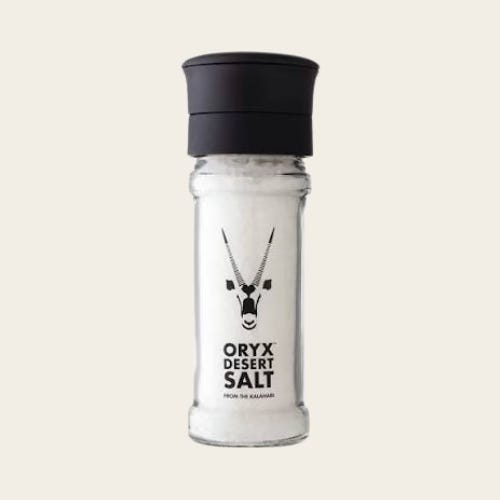
3. Pinch of Sea Salt (Oryx Desert Salt)
I know what you’re thinking. Salt… in coffee?
Allow me to explain.
At the risk of getting too scientific, sodium actually blocks the bitter taste receptors on your tongue, while also bringing out the aromatic compounds in the beans. That makes your coffee taste even smoother and sweeter.
Plus, sea salt contains trace minerals, so adding it to coffee is an easy way to replenish a small amount of lost electrolytes.
I like the Oryx Desert Salt because it’s unrefined and unprocessed, so it retains all its natural minerals and micronutrients (like magnesium, zinc, and potassium).
I’m so obsessed with the taste of this salt that I actually carry a grinder in my purse for on-the-go food emergencies—much to the embarrassment of my husband.
Shop the Oryx Desert Salt Grinder
4. Oat Milk (Organic Valley Creamy Oat Beverage)
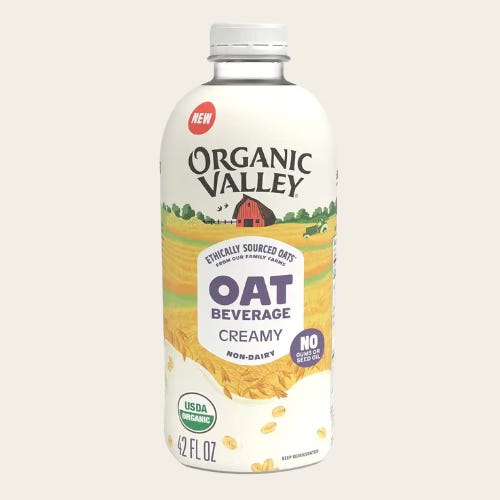
I’ve been de-influenced from a lot of things in recent years, but oat milk isn’t one of them.
The wellness industry can pry it from my cold, dead hands.
Almond milk is too watery, coconut milk curdles and separates too easily, and dairy milk sadly just doesn’t agree with my stomach.
That said, I don’t love that just about every oat milk—barista blends in particular—has a ton of synthetic ingredients, like stabilizer, emulsifiers, and industrial oils.
The “cleaner” oat milks I’ve tried typically leave much to be desired—they’re thin, flavorless, and don’t foam.
That’s why the Organic Valley Creamy Oat Beverage has become my holy grail.
First of all, it’s only made with a few ingredients I recognize (water, organic oats, MCT oil from organic coconut, citrus fiber, and salt).
Surprisingly, though, it boasts a rich and creamy texture and somehow doesn’t separate even though there are no gums or emulsifiers in sight. (Ingredients like guar gum, gellan gum, locust bean gum, and xanthan gum can contribute to gas and bloating in people with sensitive GI tracts.)
I’m not here to demonize seed oils (I have bigger fish to fry, from a wellness perspective) but I will say that modern diets seem to have a higher omega-6-to-omega-3 ratio, which we know can drive inflammation. Most commercial oat milks are made with seed oils, which are notoriously high in omega-6 fatty acids. So, while I don’t let myself stress about it too much, I always try to choose products made with alternatives—like the Organic Valley Oat Milk, which uses MCT oil from coconuts instead. You can find this one on the shelves at most Whole Foods locations.
Shop the Organic Valley Simple Creamy Oat Beverage
5. Collagen (Promix Collagen Peptides)
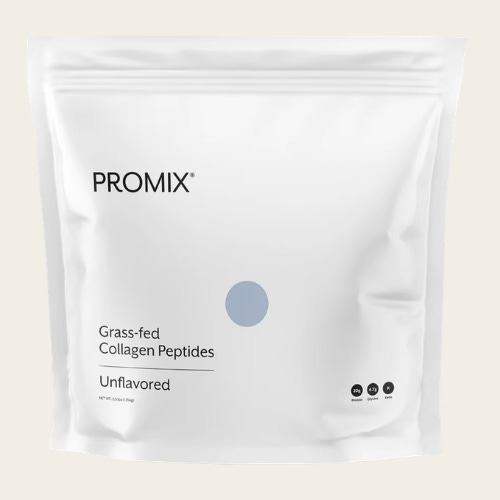
There are a lot of overhyped ingredients in the wellness world, but I truly don’t believe collagen is one of them. That said, not all collagen supplements are created equal—in terms of quality, sourcing, and overall benefits.
Promix is a brand I’ve been loyal to for a while now in part because the company focuses a lot on ingredient integrity and testing transparency. The Promix Collagen Peptides contain both Type I and Type III bovine collagen, which is important because these are the most common forms used for skin, hair, nails, and connective tissues and they work synergistically. Also worth noting? This is hydrolyzed collagen, which means it’s broken into smaller peptides that are easier for your body to absorb.
Promix Collagen Peptides are sourced from grass-fed cattle, third-party tested, and have no gums or other fillers. Best of all, they don’t alter the taste of my coffee. To avoid clumps, I like to use a blender or shaker cup to combine the collagen with the cold brew. A handheld frother also does the job.
Note: This collagen comes in a French Vanilla and a Chocolate flavor that would likely work well in a latte, but I can’t say I’ve tried them—I like how the unflavored version totally disappears without stealing the show.
Shop the Promix Collagen Peptides
(Use code WELLBENT for 10% off)
FAQ
Can I make this hot? Yep! As a bonus, honey and collagen mix even more easily into hot drinks.
Can I substitute a different sweetener? Absolutely. Maple syrup works beautifully (or an allulose-monkfruit blend if you’re diabetic or keto)—can’t vouch for any other alternatives taste-wise but feel free to use whatever floats your boat. (Coconut sugar and raw turbinado sugar complement coffee nicely, but may need to be mixed with hot water to dissolve in cold drinks).
Do I really need all these ingredients? No way. Make this recipe your own by skipping anything that doesn’t fit your budget, dietary restrictions, or health goals.
Can I use an alternate milk? All milks are welcome here—although I can’t guarantee the taste or texture will be the same.